Exploring Magnificent Landscapes
Landscape painting is a major genre in Chinese art. Centred on the natural scenery of mountains and rivers as its primary subject matter, it transcends the mere simulation or reproduction of real objects. The tradition of depicting physical scenery has long existed. Furthermore, the concept that 'when the form is complete, the spirit is born' was first articulated in the 'Discourse on Heaven' chapter of Xunzi, a collection of philosophical writings from the Warring States period (475–221 BC).
While fundamentally concerned with depicting actual scenery, landscape painting maintains a subtle yet profound connection between creativity and reality, influenced by the concept of 'form and spirit'. Artists embody this concept through various artistic styles to express a sense of 'realism' in their works.
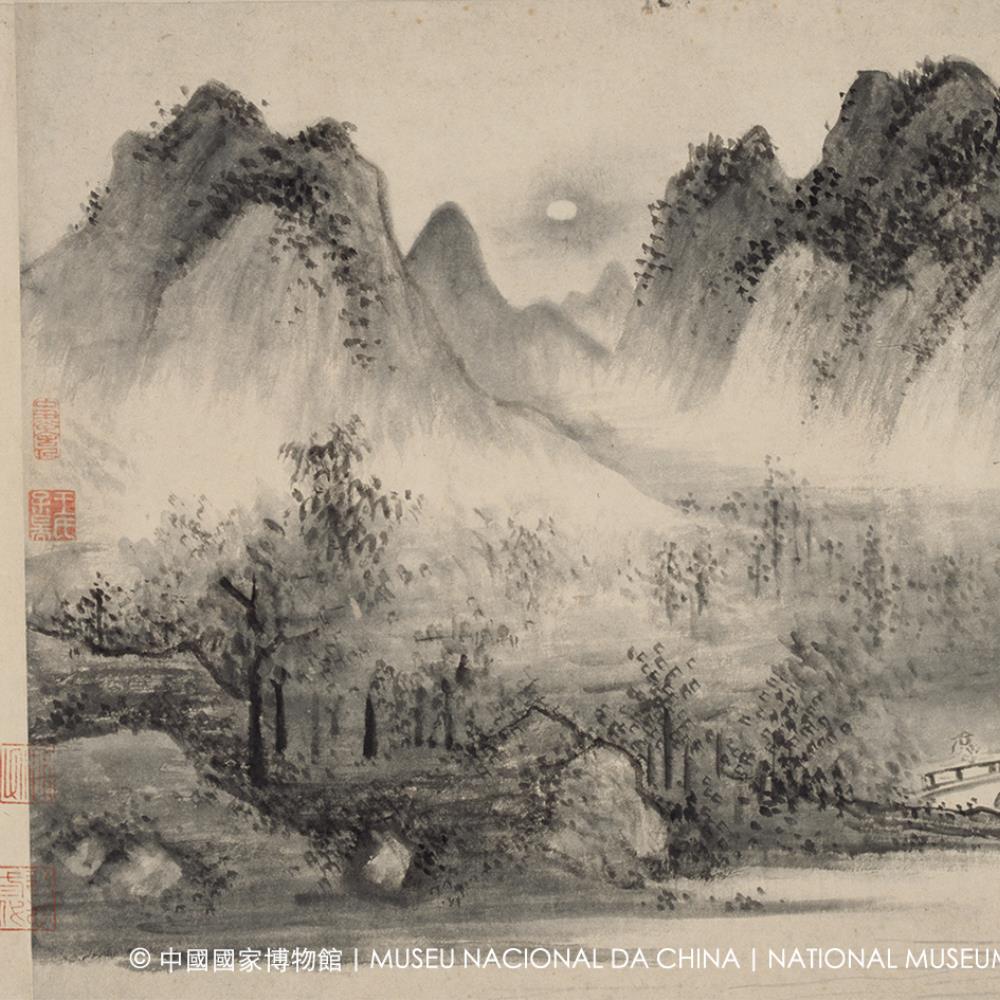
Eight Views of Peking
Wang Fu
Ming dynasty, Yongle reign, 1414
Handscroll, ink on paper
42.1 x 2006.5 cm
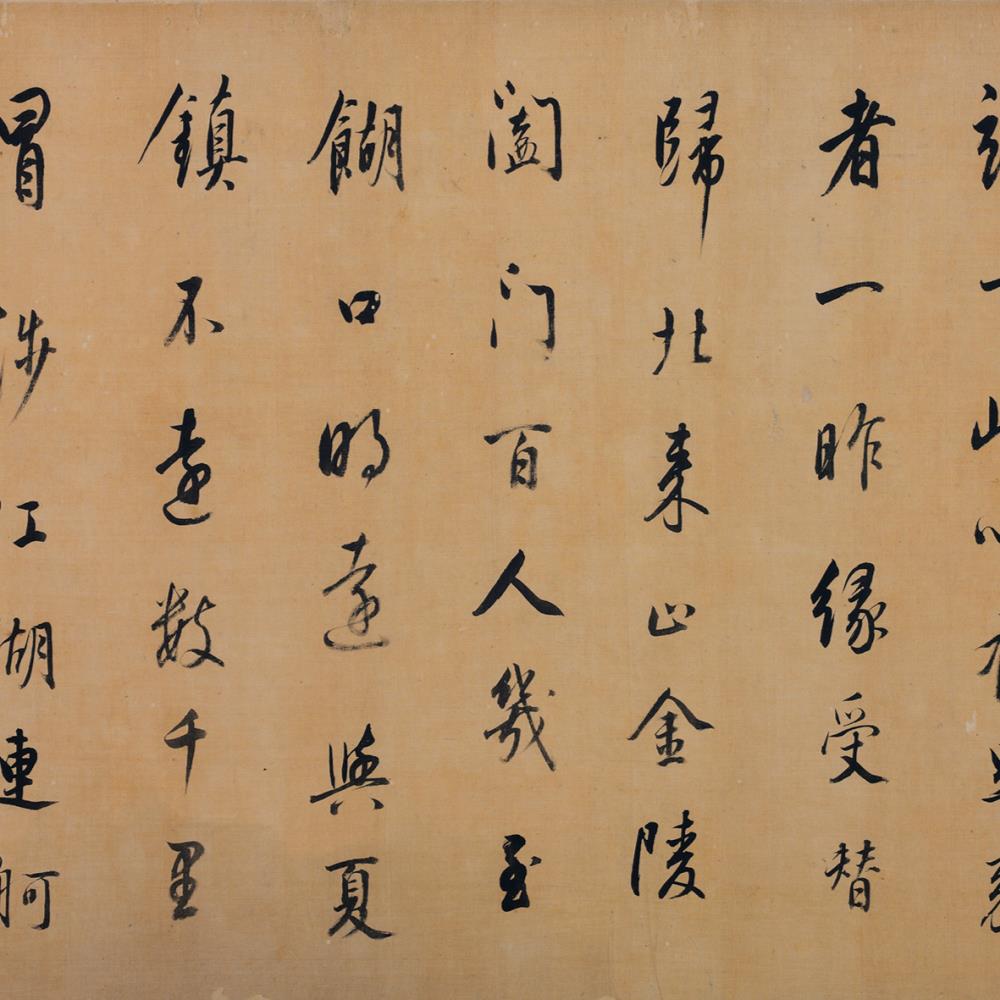
Beigu Mountain
Dong Qichang
Ming dynasty, Wanli reign, 1608
Handscroll, colour on silk
27.5 x 256 cm
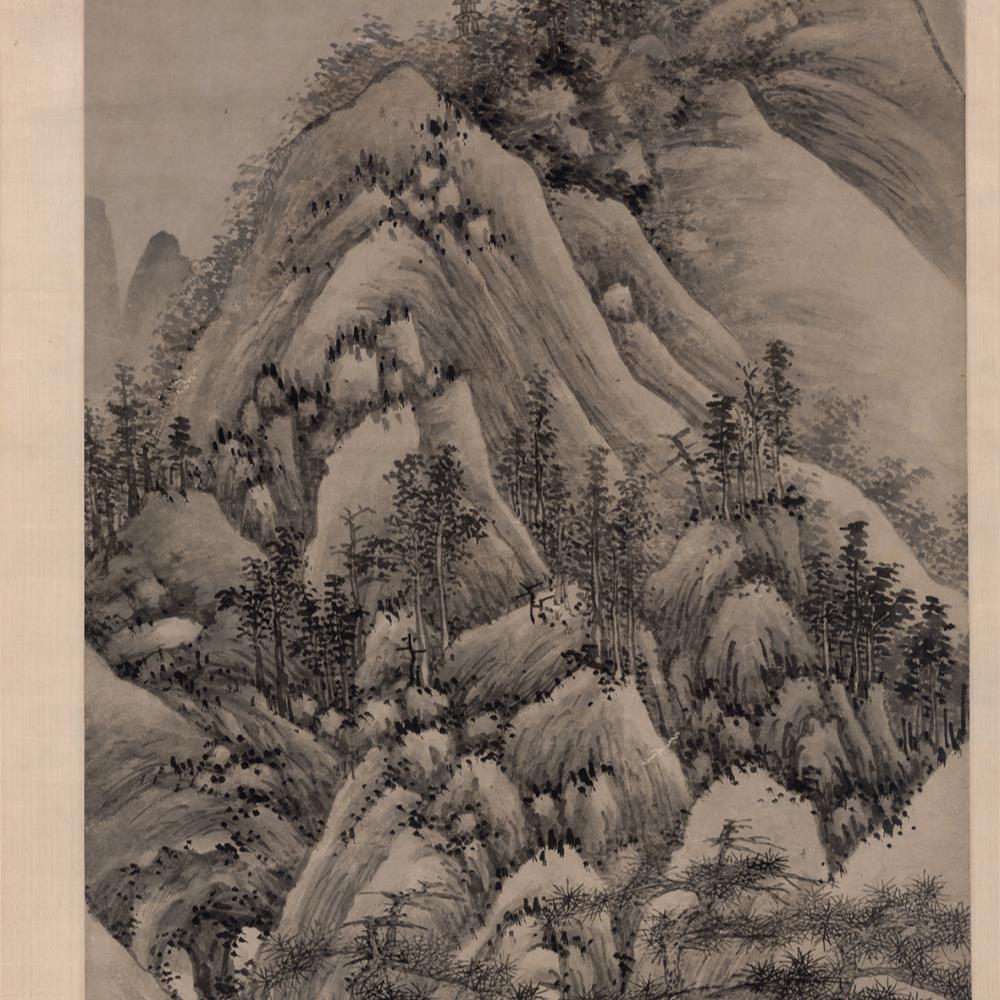
Feilai Peak
Shen Zhou
Ming dynasty, Chenghua reign, 1480
Hanging scroll, ink on paper
156 x 66 cm
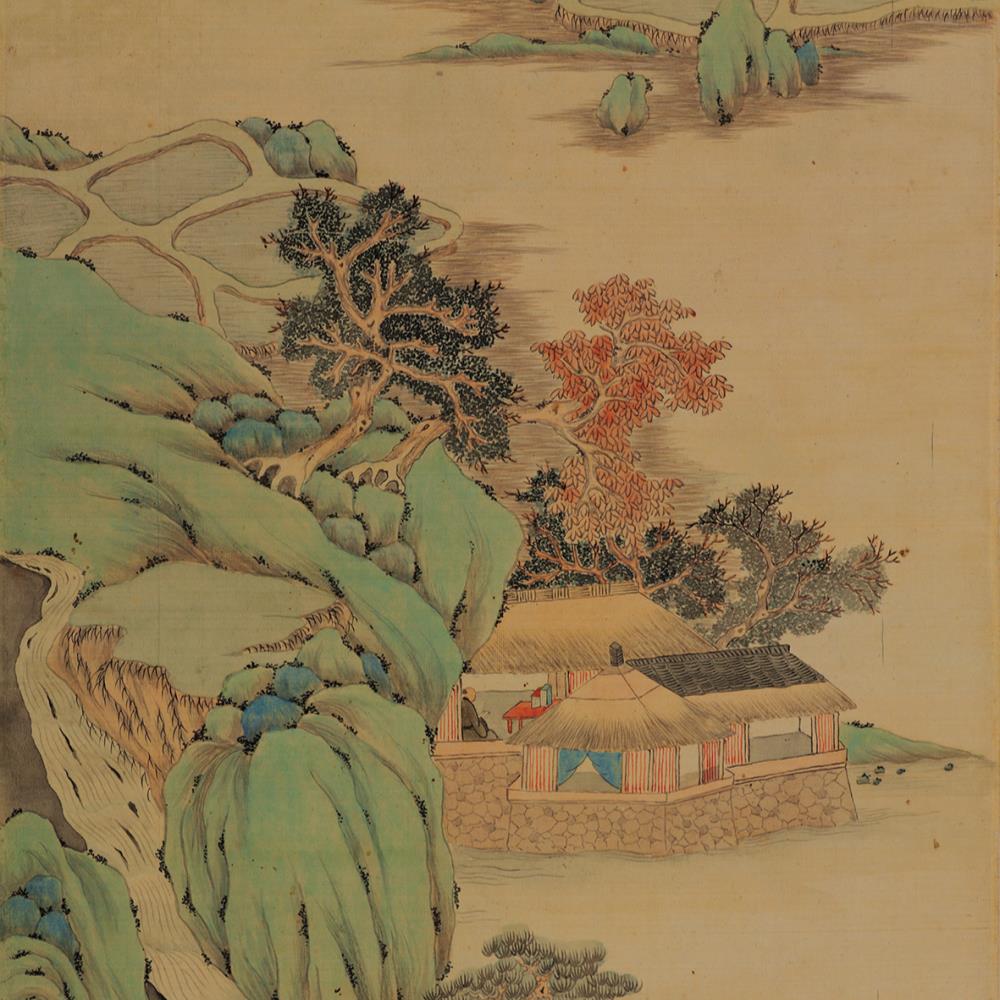
Autumnal Scenery of Dianshan Lake
Qian Du
Qing dynasty, Daoguang reign, 1839
Hanging scroll, colour on paper
85.5 x 26 cm
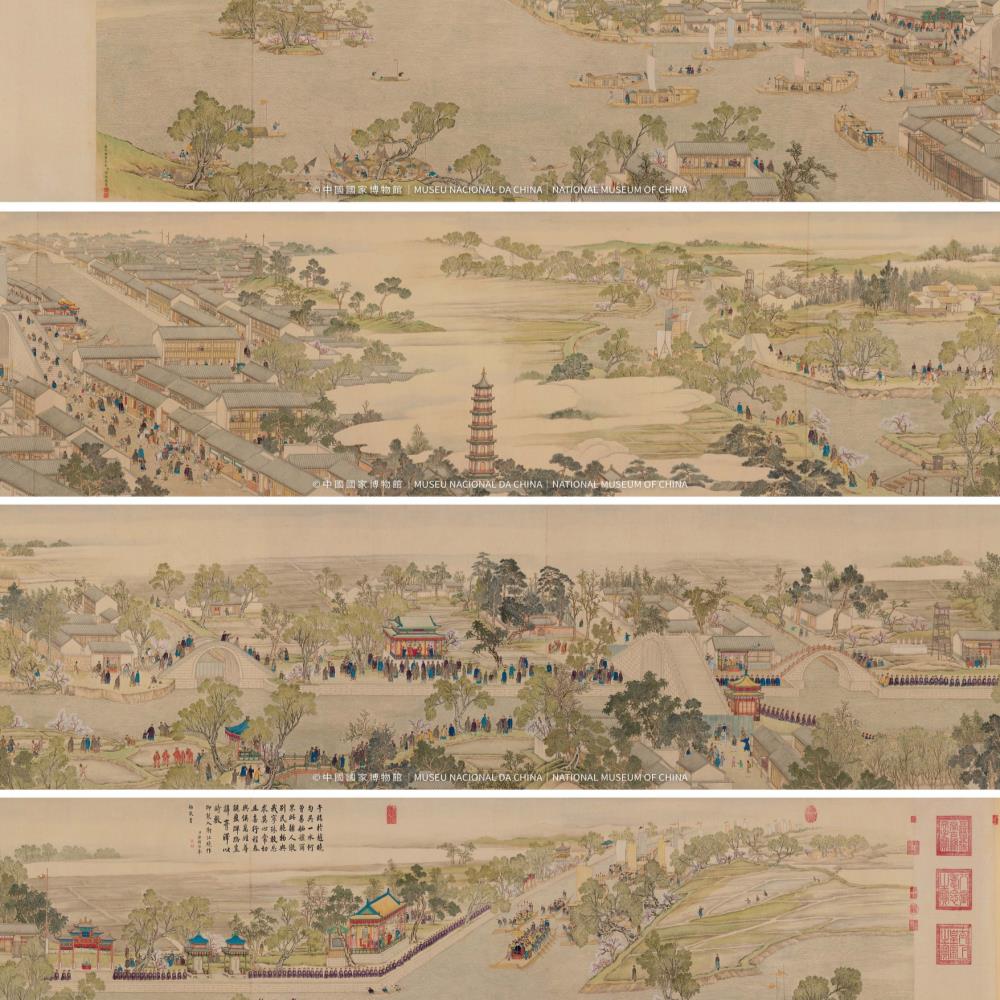
Emperor Qianlong’s Southern Tour (Scroll 7):
Entering Zhejiang and Visiting the Pavilion of Mist and Rain, Jiaxing
Xu Yang
Qing dynasty, Qianlong reign, 1771–1776
Handscroll, colour on paper
68.6 x 949 cm
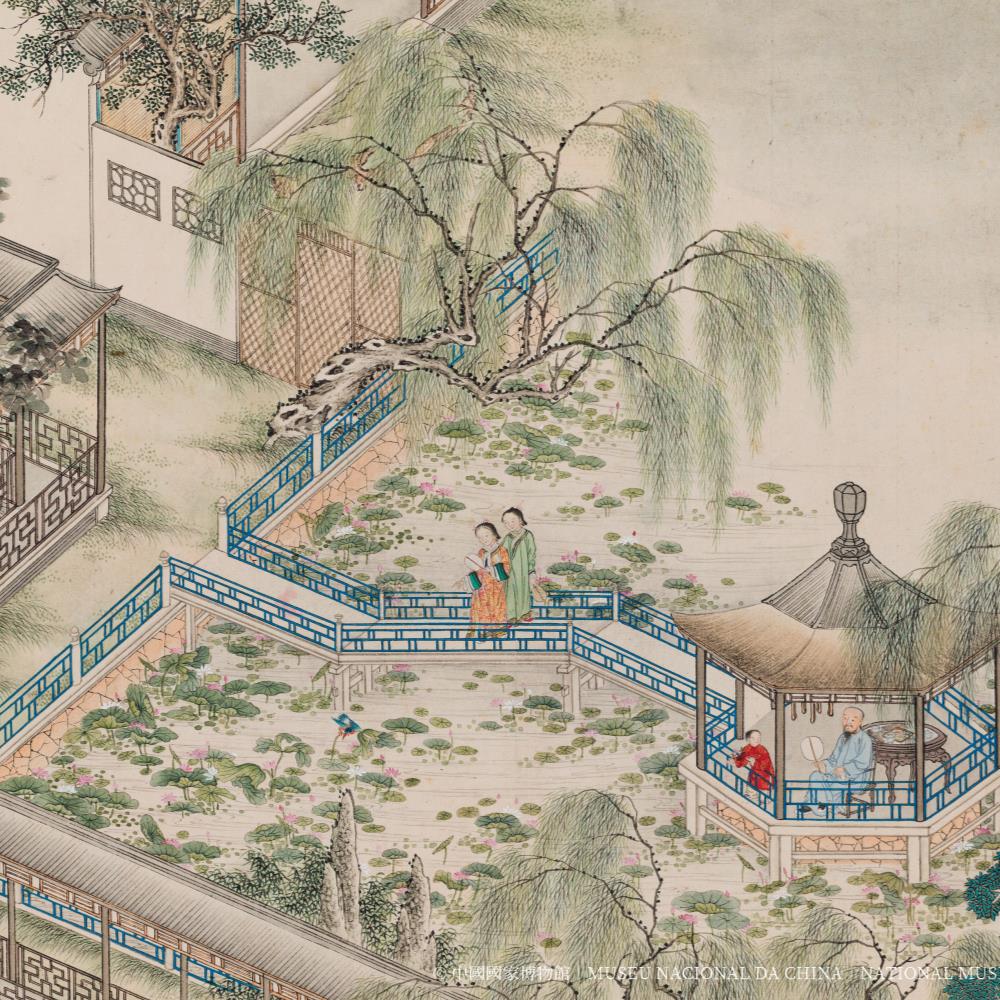
Illustrations Depicting Transient Encounters
Wang Yingfu, Chen Jian, Wang Qi, Linqing
Qing dynasty (1644–1911)
Album, colour on paper
Each half leaf: 24 x 31.8 cm