Expressing Sentiments through Nature
The Ming and Qing dynasties marked a transformative period in the development of classical Chinese painting, during which artworks extended their expressive depth in spiritual meanings and cultural connotations. The literati used landscape painting as a medium to commune with nature, depicting a reclusive ideal of 'wandering between Heaven and Earth.'
Finding solace within mountains and forests, reclusive scholars and hermits employed these landscapes to project their yearnings. When depicting nature, they emphasised elements such as clouds, mist, waterfalls, and secluded valleys. By highlighting the vastness and timelessness of the landscapes, they ultimately sought a harmonious fusion of subject and object, imbuing the scene with emotion to achieve the emergence and sublimation of both sentiment and scenery. Expressing Sentiments Through Nature
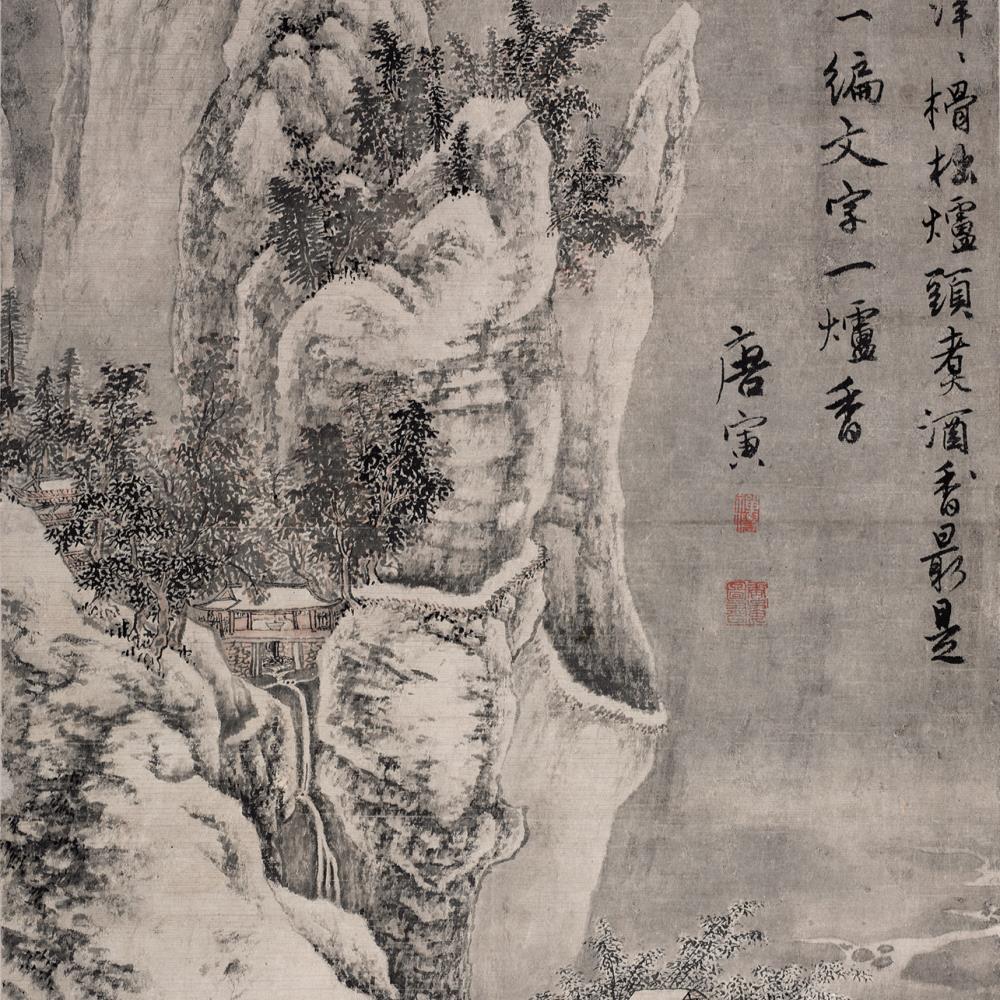
Snowy Landscape with Cottages
Tang Yin
Ming dynasty (1368–1644)
Hanging scroll, colour on paper
84 x 43.7 cm
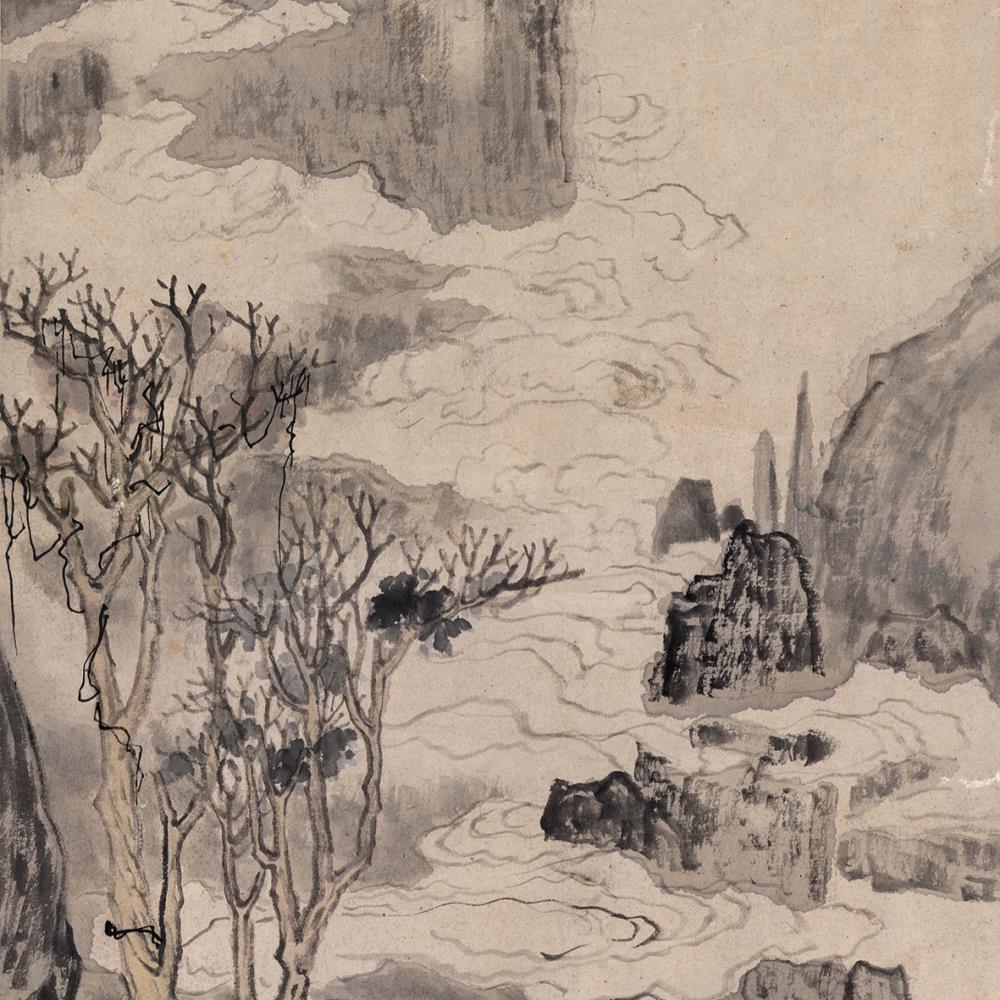
Gazing Afar from a Riverside Pavilion
Shao Gao
Ming dynasty, Tianqi reign, 1627
Hanging scroll, colour on paper
98.9 x 39.7 cm
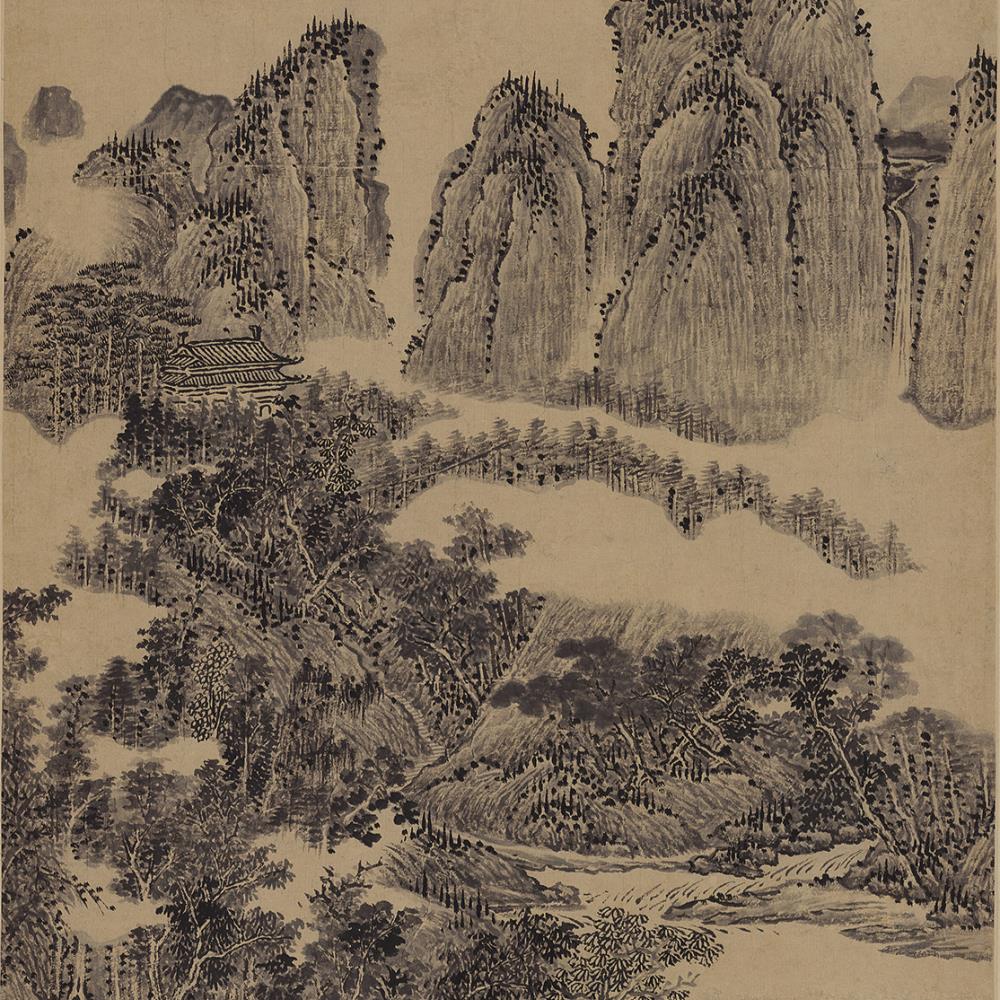
Clouds and Mist in a Forest
Wang Hui (1632–1717)
Qing dynasty, Kangxi reign, 1711
Hanging scroll, ink on silk
72.5 x 43.6 cm
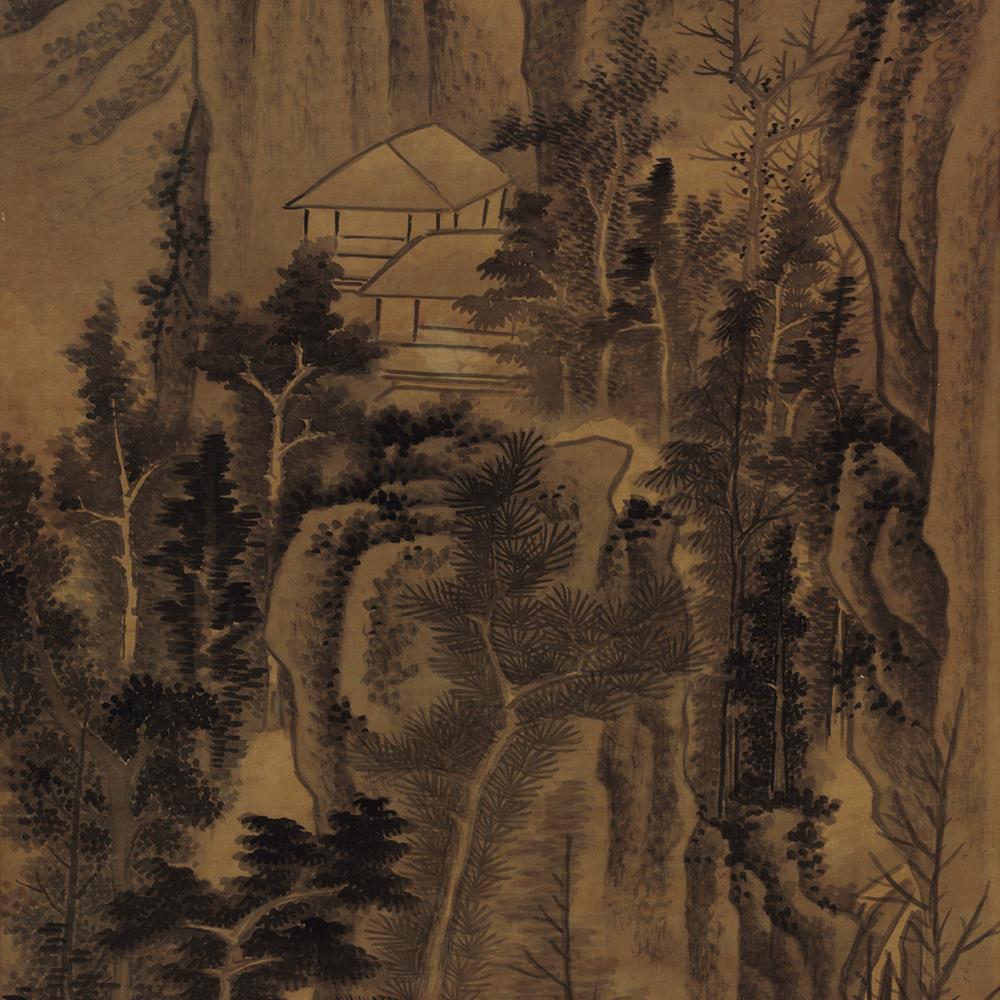
Lush Trees Under White Clouds
Gong Xian
Qing dynasty (1644–1911)
Hanging scroll, ink on silk
183.5 x 47 cm
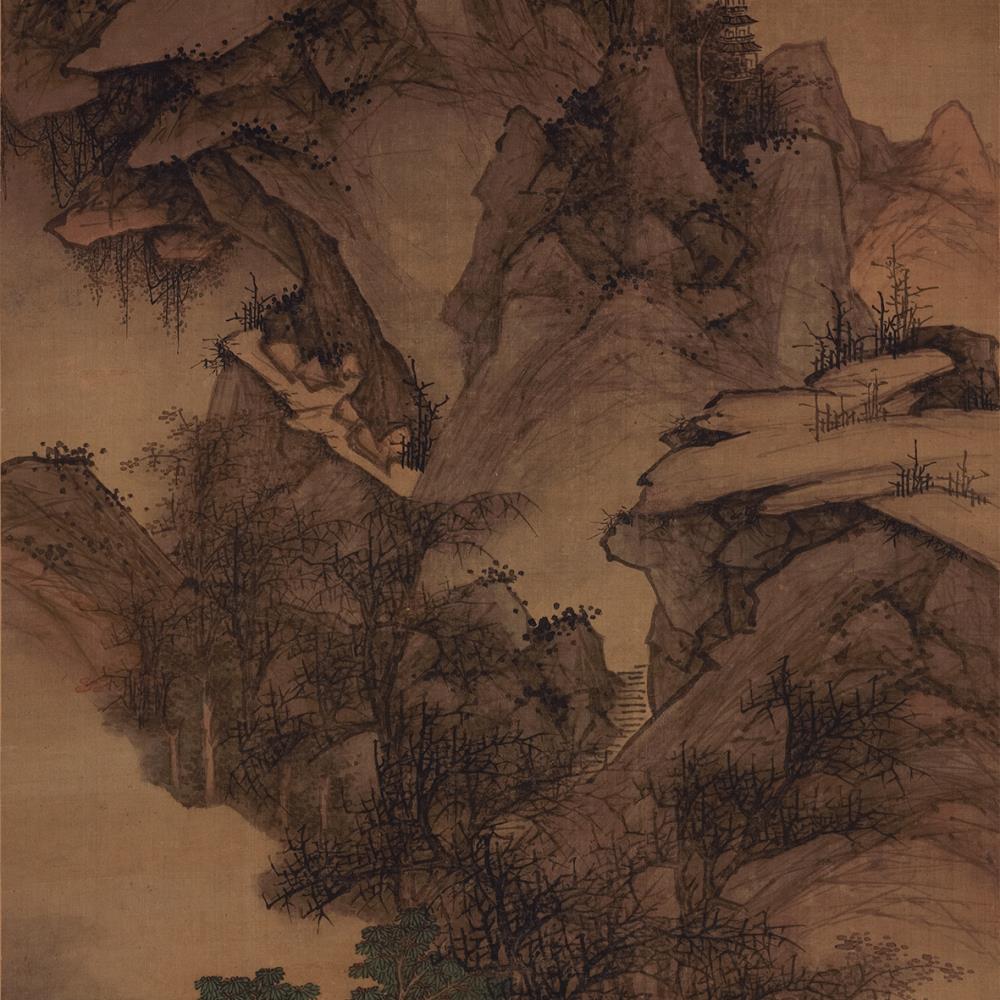
Landscape, in the style of Yuan dynasty masters
Wu Hong
Qing dynasty, Kangxi reign, 1665
Hanging scroll, colour on silk
171.5 x 55.3 cm
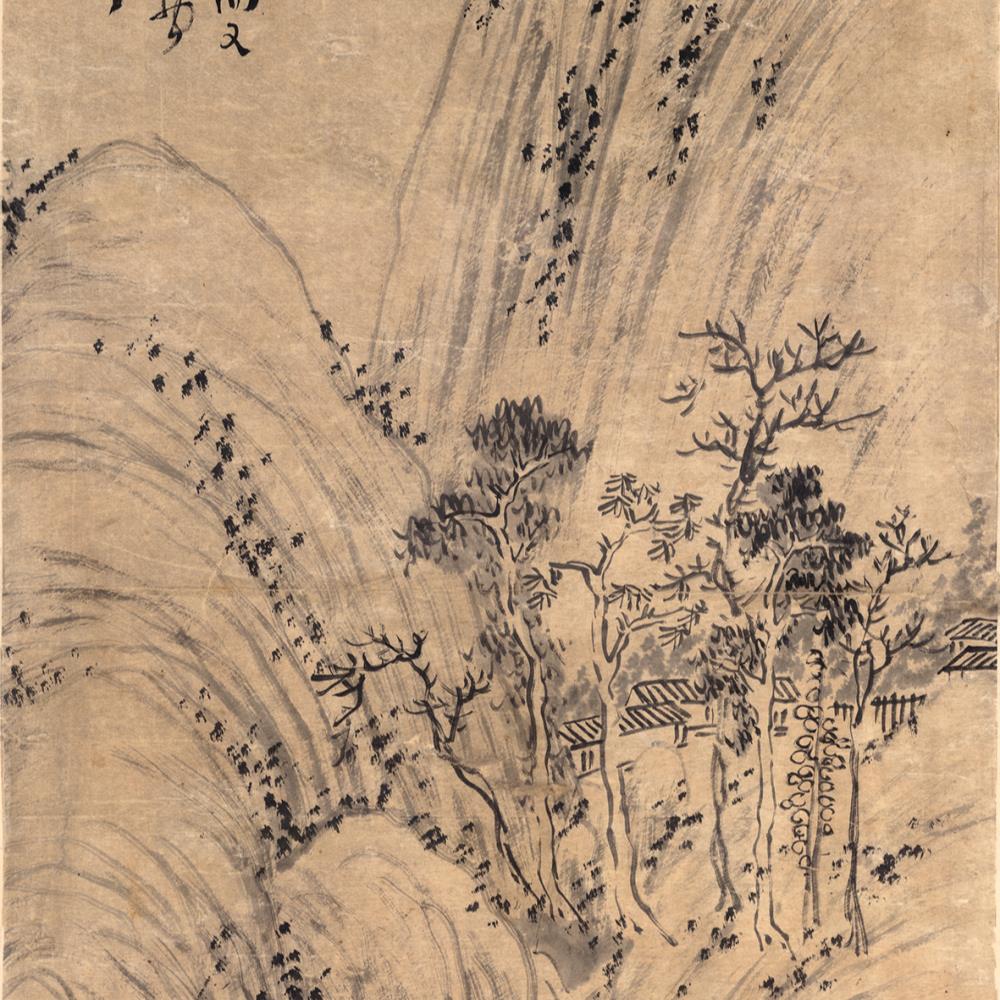
Landscape
Gao Xiang
Qing dynasty (1644–1911)
Hanging scroll, ink on paper
125.7 x 38.6 cm